Animals in Wartime: Stories That Help Us Keep Our Humanity
Countless books have been written about war. Yet some of the most moving stories are those in which animals stand alongside people. They do not understand why shells explode, why families are forced to leave their homes, or why their beloved humans sometimes never return. And yet these stories remind us that even in the darkest times, kindness and compassion can prevail.
One of the most touching stories about the bond between a person and a bird is The Snow Goose, a novella by the American writer Paul Gallico, first published in 1941.
Its main character, Philip Rhayader, is a painter who has become a recluse because of a severe congenital spinal deformity. Living alone near an old lighthouse in the Essex marshes, he finds comfort in nature, painting birds, and caring for wildlife.
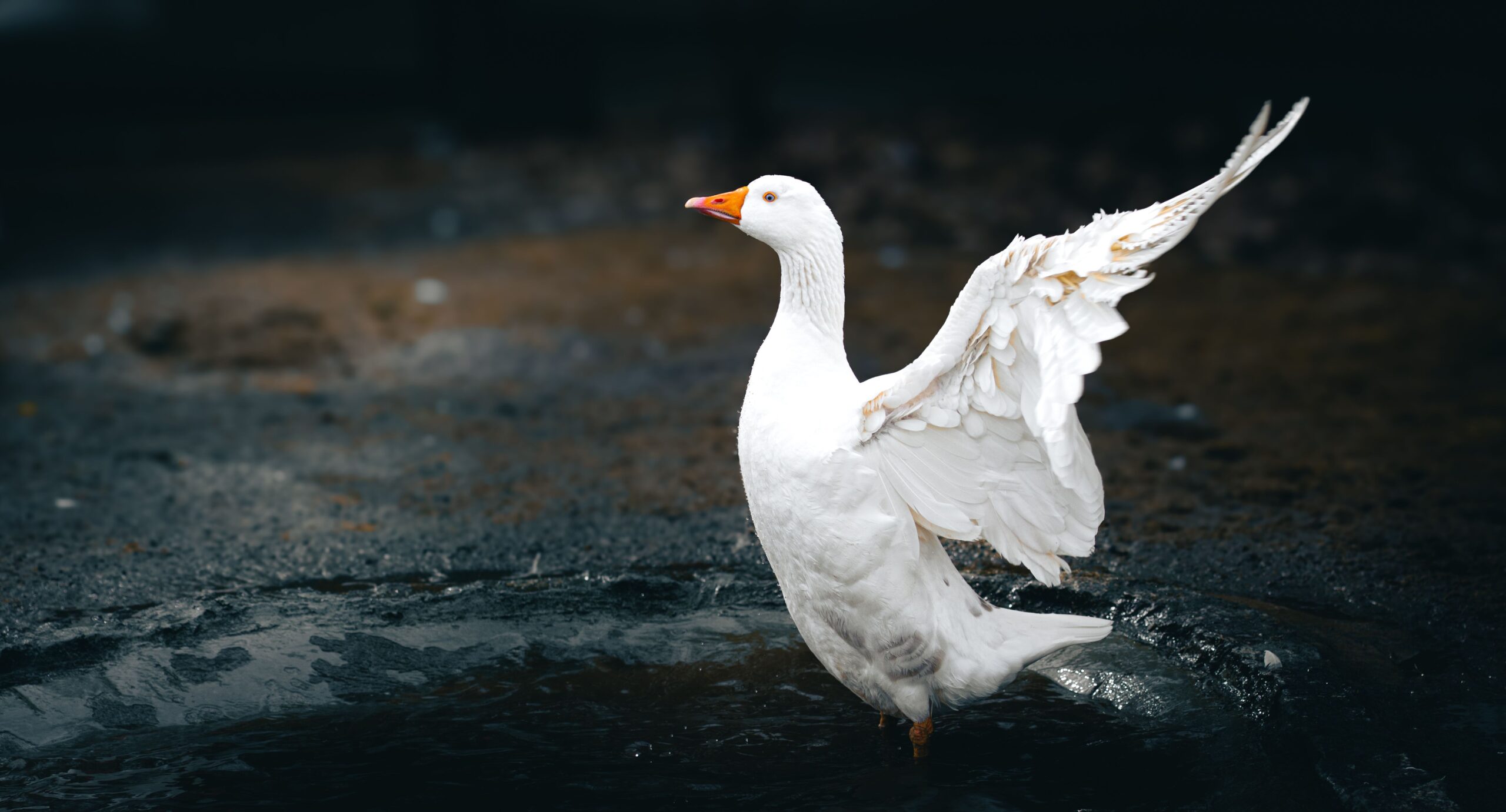
One day, a young village girl named Fritha brings him a white snow goose that has been injured in a storm. Rhayader nurses the bird back to health and eventually sets her free. From then on, the goose returns every spring to visit the man who once saved her life.
In the spring of 1940, the goose does not migrate north for the first time. To Philip, this is more than coincidence—it is a sign that she has chosen to stay with him rather than simply recovering and flying away.
Soon afterward, the evacuation of Allied troops from Dunkirk begins. Rhayader takes his small boat across the English Channel to help rescue British soldiers trapped on the French coast. The white goose flies above him throughout the mission. Later, survivors speak of the mysterious boatman whose vessel was always accompanied by a white bird. Rhayader saves many lives but loses his own.
The following spring, the snow goose returns to the lighthouse one last time, as if to say farewell to the man who had once rescued her.
Although The Snow Goose is a short novella, it is a powerful story of kindness, gratitude, self-sacrifice, and the extraordinary bond between a human being and a wild animal. If you enjoy stories that remind us how animals can help people remain compassionate even in the darkest moments of history, The Snow Goose by Paul Gallico is well worth reading. «Білу гуску» Пола Галіко.