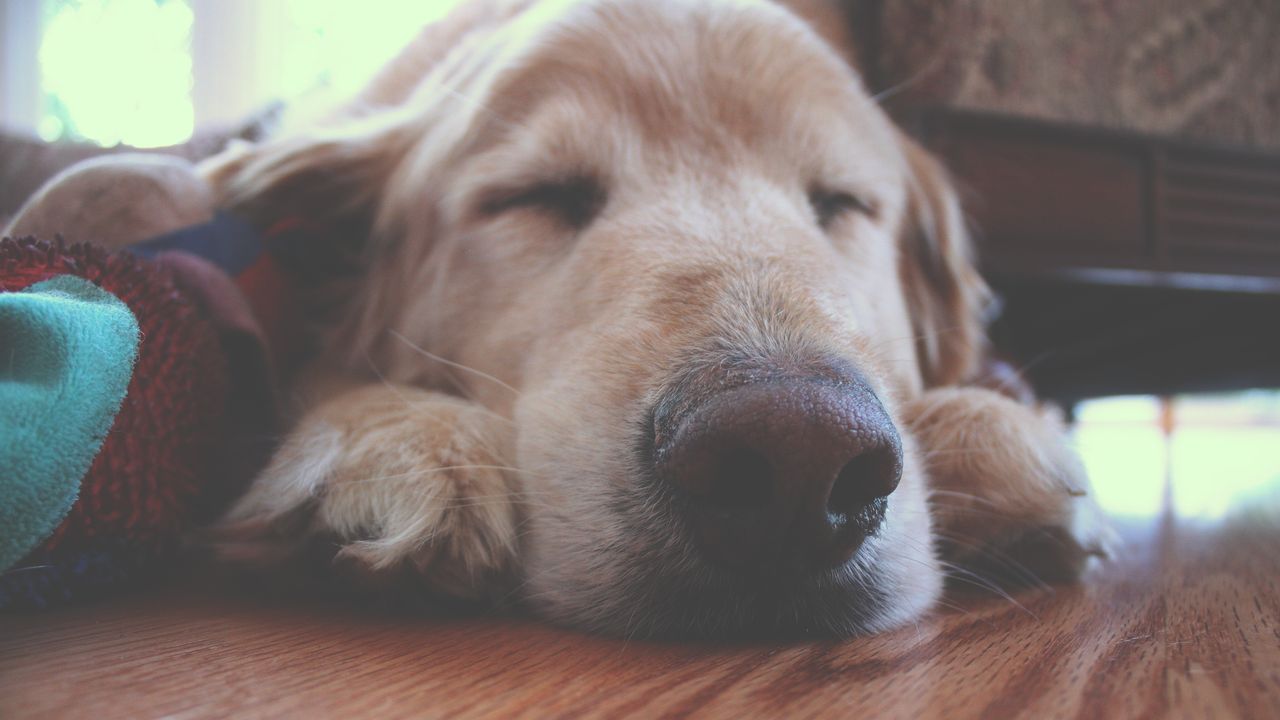
What Do Cats and Dogs Dream About — and How Are Scientists Trying to Find Out?
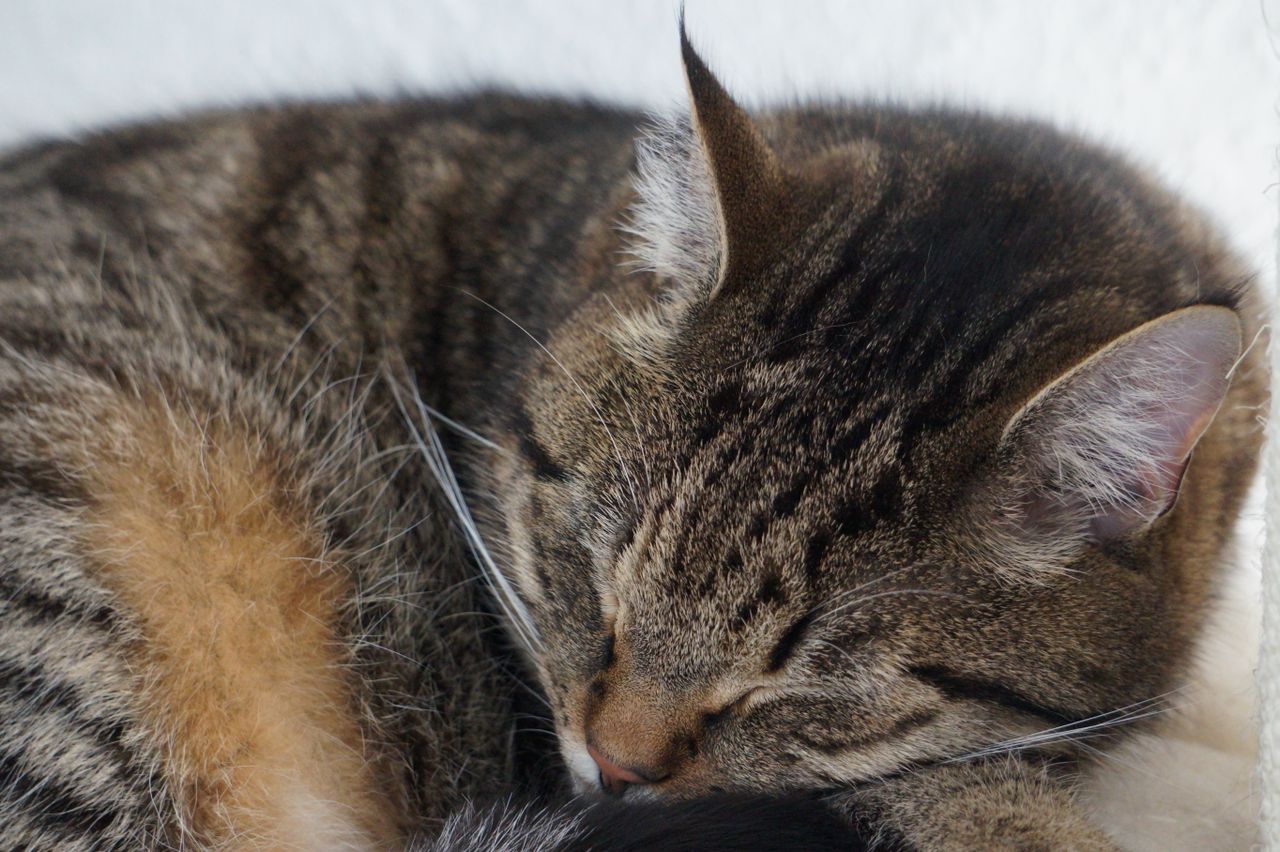
When your dog suddenly starts moving its paws in its sleep, or your cat twitches its whiskers or lets out a quiet meow, it is quite possible that somewhere in its own private world, something is happening.
А от But what exactly does your pet see there — a familiar room, a walk, a game, another animal, or perhaps you? That is a much harder question.
And it has proved so intriguing that scientists have come up with some rather unusual ways of trying to answer it.
The Cats That Showed Us Their Dreams
Одним із учених, які допомогли нам зазирнути у світ сновидінь тварин, був французький нейрофізіолог Мішель Жуве — один із найвідоміших дослідників сну XX століття.
Ще наприкінці 1950-х років, вивчаючи сон котів, Жуве звернув увагу на дивний парадокс. Під час REM-сну мозок тварини залишається дуже активним, але м’язи тіла майже повністю втрачають тонус. Сам Жуве тому й назвав цю фазу «парадоксальним сном».
In the 1960s, experiments by Jouvet and his colleagues showed that structures in the brainstem are responsible for this temporary “switching off” of the muscles. When the researchers disrupted the areas of the brain that normally suppress movement during REM sleep, something remarkable happened: the cats remained asleep, but their bodies were no longer still.
The sleeping cats began to lift their heads, stand up, move around and look about as though searching for something. Some made movements resembling the stalking of prey or an attack. Yet physiological measurements showed that the animals were still in REM sleep.
Of course, a cat could not wake up and tell the researchers what it had just seen. So these experiments do not mean that scientists literally saw what was happening in the cats' dreams. But they revealed something extremely important: during REM sleep, an animal's brain can generate complex patterns of behaviour that would normally remain hidden because of the natural loss of muscle tone.
Jouvet's work became one of the foundations of our modern understanding of REM sleep — and gave scientists compelling reasons to believe that animals do not simply sleep, but experience something in their sleep that may be remarkably similar to our own dreams.
Read Part One here.